
Last updated: June 2026
Building a garage is one of the larger home improvement investments most homeowners make — and one of the more confusing to price. A basic 1-car detached garage can be built for $15,000–$25,000. A finished 2-car attached garage with electricity, insulation, and drywall runs $35,000–$65,000. A fully finished garage with living space above hits $80,000–$150,000+. The range is genuinely enormous, and the variables that drive it — foundation type, finish level, attachment to the house, and what’s included — aren’t always obvious when you start getting quotes.
What contractors rarely explain upfront: the garage shell is often the cheapest part. It’s the foundation, electrical service, drywall, insulation, concrete floor, and garage door that add up to the real project cost. A homeowner who budgets for the framing and forgets everything else is in for a painful surprise.
Cost to Build a Garage by Type
| Garage Type | Average Cost | Best For |
|---|---|---|
| 1-car detached (basic) | $15,000–$25,000 | Vehicle storage, budget build |
| 2-car detached (basic) | $25,000–$45,000 | Two vehicles, workshop space |
| 1-car attached (finished) | $20,000–$40,000 | Direct house access, adds home value |
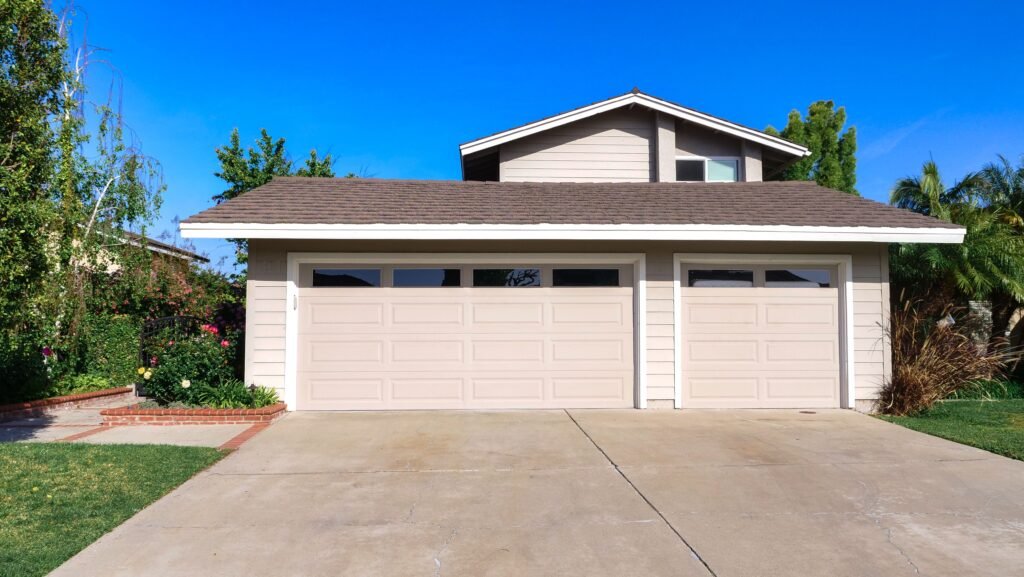
| 2-car attached (finished) | $35,000–$65,000 | Most popular addition for home value |
| 3-car attached (finished) | $50,000–$90,000 | Multiple vehicles, large workshop |
| Garage with apartment above | $80,000–$150,000+ | Rental income, guest suite, ADU |
Use Our Free Garage Building Cost Calculator
Get an instant estimate based on garage size, attachment type, and finish level. This calculator uses national average pricing from licensed general contractors across the United States.
Garage Building Cost Calculator
What You’re Actually Paying For When You Build a Garage
Most garage building quotes break down roughly like this for a standard 2-car attached garage: foundation and concrete work (20–25%), framing and roofing (25–30%), garage doors (8–12%), electrical (8–10%), insulation and drywall (10–15%), and exterior finishing/siding (10–15%). Labor typically runs 40–50% of total cost. Understanding this breakdown helps you evaluate quotes and identify where the variables live.
1. Foundation and Concrete — The Hidden Cost That Varies Most
The concrete slab and foundation are often the most variable line item in a garage build — and the one most dependent on your specific site conditions. A standard 4-inch concrete slab on a flat, well-drained lot costs $5–$8 per square foot. Rocky soil, poor drainage requiring French drains, or significant grading work can push foundation costs to $10–$15 per square foot.
For an attached garage where the new foundation must connect to the existing house foundation, a structural engineer review is often required — adding $500–$1,500 in engineering fees but ensuring the connection is done correctly. Don’t skip this step on attached garages — an improperly connected foundation causes long-term structural issues that are expensive to repair.
Frost depth requirements vary by climate. In Minnesota or Maine, footings must extend 42–48 inches below grade to prevent frost heaving — significantly more excavation and concrete than the 12–18 inch footings required in warmer climates. This is why building a garage in a cold climate costs meaningfully more than the same garage in the South.
2. Attached vs. Detached — More Than Just Convenience
An attached garage connects directly to the house and requires: matching the existing roof line and siding, a fire-rated door and wall assembly between the garage and living space (required by code in most jurisdictions), and coordinating the new foundation with the existing one. These requirements add $5,000–$10,000 to project cost versus a detached garage of the same size.
The attached garage delivers real value: direct access to the house without going outside, better security, and typically higher resale value than a detached garage. In cold climates, the ability to move cars, groceries, and children between house and garage without exposure to weather is a daily quality of life benefit that’s hard to put a number on.
A detached garage is simpler to permit and build — it doesn’t require fire-rated construction between garage and living space, doesn’t need to match the house’s roofline perfectly, and can be sited wherever the lot allows. For homeowners with awkward lot configurations, properties where the house setback doesn’t allow an attached garage, or budgets that won’t stretch to an attached build, a quality detached garage is an excellent solution. Many homeowners actually prefer a detached garage for workshop use because there’s no fire-code restriction on what you store or do there.
3. Garage Doors — A Bigger Decision Than Most Homeowners Realize
The garage door is the most visible element of a garage from the street and has an outsized impact on curb appeal. A basic steel garage door costs $800–$1,500 installed. An insulated steel door — worth the premium in any climate — runs $1,200–$2,500. A carriage-style door with windows costs $1,500–$4,000. A custom wood or wood-composite door reaches $3,000–$8,000.
A garage door opener adds $300–$600 installed for a standard belt or chain drive. A smart opener with WiFi and battery backup runs $400–$800. If you’re building a garage, installing the opener at the same time is always cheaper than adding it later. For a complete breakdown of garage door costs, see our garage door installation cost guide.
One planning note: the garage door rough opening must be specified before framing begins. Standard rough openings are 9×7 feet for a single door and 16×7 feet for a double. If you want larger openings for trucks, RVs, or oversized vehicles, specify this before the header is framed — changing rough opening size after framing is an expensive retrofit.
4. Electrical Service — Plan for More Than You Think You Need
A basic garage electrical package — a few outlets and lighting — costs $1,500–$3,000. A fully wired workshop garage with 240V circuits for power tools, an EV charger circuit, and multiple convenience outlets runs $3,500–$6,000. Running power from the house to a detached garage adds $1,000–$3,000 depending on distance and whether the run is underground or overhead.
The most common regret in garage building: not running adequate electrical from the start. Adding circuits later through finished walls costs 3–5x more than doing it during construction. If there’s any chance you’ll want an EV charger, 240V welder circuit, or air compressor outlet in the next 10 years, rough in those circuits during the initial build even if you don’t install the actual outlets yet. The marginal cost of running wire during construction versus cutting into finished walls later is significant.
If you’re considering solar panel installation in the future, a garage roof is often an excellent location — plan the electrical panel location and service capacity accordingly when building.
5. Insulation and Heating — What Separates a Usable Garage From a Shell
An uninsulated garage is uncomfortable for most of the year in most US climates — too hot in summer, too cold in winter to do anything productive. Insulating the walls and ceiling of a standard 2-car garage costs $1,500–$3,500 depending on insulation type and whether you’re also drywalling.
For a garage workshop, home gym, or any space where you’ll spend meaningful time, adding a heating source transforms usability. Options include: a natural gas or propane unit heater ($800–$2,000 installed), an electric baseboard heater ($300–$800), a mini-split that provides both heating and cooling ($2,500–$5,000 installed), or radiant floor heat in the concrete slab ($5,000–$12,000 — best installed during construction). For a heated garage in a cold climate, see our HVAC installation cost guide for system sizing guidance.
6. Permits — Required, Worth Understanding
Building a garage requires permits in virtually every US jurisdiction — the project involves structural work, electrical, and in some cases plumbing. Permits for a detached garage typically cost $200–$600. Attached garage permits run $400–$1,200 because of the fire-rated construction requirements and foundation connection. Many municipalities also have zoning setback requirements — minimum distances from property lines, easements, and neighboring structures — that determine where you can build and how large the garage can be.
Before committing to any design, verify your setback requirements with your local zoning department. A garage that’s 2 feet too close to the property line can’t be permitted — and moving it after you’ve budgeted for a specific location requires redesign. This is especially important for corner lots and properties with easements.
Attached Garage vs. Detached Garage — The Financial Analysis
Attached garages typically add $20,000–$35,000 to home value for a 2-car configuration according to real estate appraisers. Detached garages add value too — typically $15,000–$25,000 — but less than attached because buyers place a premium on covered access from house to garage.
The ROI math: a $45,000 attached 2-car garage that adds $28,000 in home value returns approximately 62% at resale — below dollar-for-dollar, but the daily utility value is significant. In markets where 2-car garages are the norm and your home doesn’t have one, the impact on buyer pool and sale price is greater than the appraisal premium suggests — many buyers in suburban markets will simply not consider a home without covered parking.
Garage With Apartment Above — ADU Considerations in 2026
Adding a living space above a garage — called a carriage house or accessory dwelling unit (ADU) — has become increasingly attractive as rental income potential has grown. A detached garage with a finished studio or 1-bedroom apartment above typically costs $80,000–$150,000 and can generate $800–$2,000 per month in rental income depending on location.
ADU regulations vary dramatically by jurisdiction — some cities actively encourage them with streamlined permitting, others restrict or prohibit them entirely. Before planning a garage apartment, verify your local zoning allows ADUs and understand the specific requirements for ceiling height, egress, bathroom, and kitchen facilities. In high-cost markets like California, ADU projects have become some of the highest-ROI home improvement investments available — the rental income stream can pay back the construction cost in 5–8 years. For context on adding bathroom facilities to an ADU, see our guide on cost to add a bathroom.
How to Get the Best Price on Building a Garage
- Get 3 quotes with identical specifications — size, attachment type, finish level, electrical scope, garage door brand and model. Quotes for vague specifications are impossible to compare.
- Check zoning before designing — setback requirements, height limits, and coverage ratios (maximum percentage of lot that can be covered by structures) all constrain what you can build. A contractor who designs your garage before checking zoning is wasting your time.
- Build bigger than you think you need — the incremental cost of an extra 2 feet in each dimension is small during construction and enormous if you later want to expand. Most homeowners who build a 1-car garage wish they’d built a 2-car.
- Rough in everything during construction — plumbing for a future utility sink, extra electrical circuits, conduit for future EV charger. Adding these later through finished walls costs 3–5x more.
- Build in fall or winter — general contractors and concrete crews are typically slower in the off-season and more willing to negotiate. Concrete can’t be poured in freezing temperatures, but framing and finishing work continues year-round in most climates.
Frequently Asked Questions About Building a Garage
How long does it take to build a garage?
A basic detached garage takes 1–3 weeks of construction time after permit approval. A finished attached garage takes 4–8 weeks. A garage with apartment above takes 8–16 weeks. Permit approval adds 2–6 weeks to the timeline before construction starts — plan accordingly. In jurisdictions with complex permitting processes, some homeowners wait 3–4 months between application and groundbreaking.
How much does a 2-car garage add to home value?
An attached 2-car garage adds approximately $20,000–$35,000 to home value in most US markets according to real estate appraisers. A detached 2-car garage adds $15,000–$25,000. The actual impact varies significantly by market — in suburban areas where garages are expected, the absence of a garage is a significant buyer deterrent and the value impact of adding one exceeds these averages.
Do I need a permit to build a garage?
Yes — in virtually every US jurisdiction, building a garage requires a building permit. The permit process covers structural, electrical, and sometimes plumbing work, and requires inspections at foundation, framing, and final stages. Permits cost $200–$1,200 depending on garage size and location. An unpermitted garage creates insurance complications, can’t be counted in the home’s value for appraisal purposes, and typically must be disclosed and may require remediation before sale.
Can I build a garage myself?
Partial DIY is realistic for experienced homeowners — framing, sheathing, roofing, and interior finish work are learnable skills that can save $8,000–$20,000 in labor on a garage project. Concrete work, electrical service installation, and foundation work are better left to licensed contractors — both for quality reasons and permit/inspection requirements. A hybrid approach — hiring out foundation, electrical, and roofing while doing framing and finish work yourself — is a common strategy for motivated DIYers.
What size garage should I build?
A minimum 1-car garage is 12×20 feet — functional but tight. A comfortable 1-car garage is 14×22 feet. A minimum 2-car garage is 20×20 feet — workable but leaves little room for storage or workshop space. A comfortable 2-car garage with storage is 24×24 feet. If you’re building new, the incremental cost of going from 20×20 to 24×24 is relatively small — typically $3,000–$6,000 — while the additional space makes an enormous practical difference. Build for the use you want, not the minimum that fits your current cars.
How much does it cost to build a garage per square foot?
Building a basic unfinished garage costs $50–$80 per square foot. A standard finished garage with insulation and electrical runs $80–$120 per square foot. A premium finished garage with full electrical, heating, drywall, and epoxy floors runs $120–$160 per square foot. These figures include foundation, framing, roofing, garage door, and all systems — but not the land or any site work beyond basic grading.
What’s included in a typical garage building quote?
A complete garage building quote should include: site preparation and grading, foundation and concrete slab, framing, roofing, exterior siding and trim, garage door(s) and opener(s), windows and entry door, basic electrical (outlets and lighting), and permitting fees. What’s often excluded and should be confirmed: insulation, drywall, interior painting, heating system, floor coating, and any specialty electrical circuits. Always get a written list of inclusions and exclusions before comparing quotes.
How much does it cost to insulate and finish a garage?
Insulating an existing unfinished garage costs $1,500–$4,000 for walls and ceiling. Adding drywall on top of insulation runs $2,000–$4,500. A full finishing package — insulation, drywall, paint, upgraded lighting, and epoxy floor coating — runs $8,000–$15,000 for a standard 2-car garage. This is significantly cheaper than building finished from scratch, making a phased approach (build basic now, finish later) financially sensible for budget-constrained projects.