Last updated: June 2026
Foundation problems are the home improvement category most likely to trigger panic — and the one where homeowners are most vulnerable to being overcharged. A hairline crack in your basement wall costs $300–$800 to inject and seal. A home with significant settling requiring pier installation can cost $10,000–$30,000. The enormous range isn’t random — it reflects genuinely different problems that look similar to the untrained eye. A crack is not always a crisis. Settling is not always structural. And a contractor who quotes $15,000 for a problem that needs $1,500 is counting on your fear to close the sale.
This guide explains what different foundation problems actually cost, what the warning signs mean, and — critically — when you should be worried versus when you can breathe. Understanding the difference before a contractor sets foot in your basement is the most valuable thing you can do.
Foundation Repair Cost by Problem Type
| Problem Type | Average Cost | Severity |
|---|---|---|
| Hairline crack injection | $300–$800 per crack | Low — usually cosmetic |
| Minor crack repair (epoxy/polyurethane) | $500–$2,500 | Low to moderate |
| Wall anchors / wall braces | $4,000–$12,000 | Moderate — bowing walls |
| Carbon fiber straps | $4,000–$10,000 | Moderate — wall stabilization |
| Piering / underpinning | $1,000–$3,000 per pier | High — foundation settling |
| Full foundation replacement | $20,000–$100,000+ | Severe — rare |
| Interior waterproofing system | $5,000–$15,000 | Moisture management |
Use Our Free Foundation Repair Cost Calculator
Get an instant estimate based on your problem type, severity, and home size. This calculator uses national average pricing from licensed foundation repair contractors.
Foundation Repair Cost Calculator
Foundation Cracks — What’s Actually Serious and What Isn’t
This is the question that brings most homeowners to this page, and the one that foundation repair contractors have the least financial incentive to answer honestly. Here’s the straightforward breakdown.
Cracks That Are Almost Never Structural
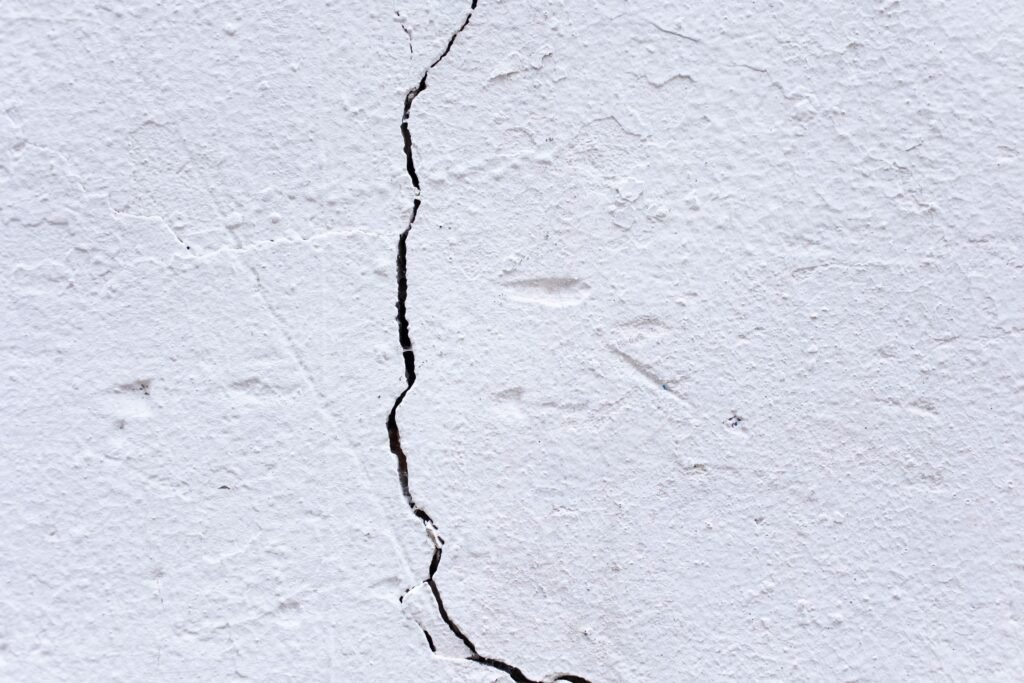
Hairline cracks — cracks thinner than 1/8 inch that run vertically in poured concrete foundations — are almost universally the result of normal concrete shrinkage during curing. Nearly every poured concrete foundation develops them within the first few years. They require sealing only if they allow water infiltration, at a cost of $300–$600 per crack using polyurethane injection. They are not structural and do not indicate foundation failure. A contractor who quotes $8,000 for wall anchors after seeing hairline cracks is upselling aggressively.
Diagonal cracks at corners of poured concrete walls — particularly 45-degree cracks running from corners of window openings — are usually the result of concrete shrinkage and slight settlement that occurs in virtually all foundations. Unless they’re wider than 1/4 inch or actively growing, they typically require monitoring rather than immediate repair.
Cracks That Deserve Attention
Horizontal cracks in basement walls are the most serious crack type — they indicate lateral soil pressure pushing the wall inward, which is a structural problem that worsens over time. A horizontal crack in a concrete block or poured concrete wall warrants prompt professional evaluation. Repair options include carbon fiber straps (stabilize but don’t straighten, $4,000–$10,000) or wall anchors (can gradually straighten walls over time, $5,000–$12,000).
Stair-step cracks in brick or concrete block walls — cracks that follow the mortar joints in a diagonal stair-step pattern — indicate differential settlement. This means one section of the foundation is settling faster than another, which can be caused by soil issues, inadequate drainage, or tree roots. Stair-step cracks warrant structural evaluation and potentially underpinning or piering to stabilize the settling section.
Cracks wider than 1/4 inch regardless of direction, or any crack where the two sides of the crack are at different heights (called displacement), deserve professional structural evaluation. These indicate forces beyond normal shrinkage and settlement.
The Independent Structural Engineer Option
Here’s advice that foundation repair contractors rarely give: if you have significant foundation concerns, hire an independent structural engineer for an evaluation before getting contractor quotes. A structural engineer’s inspection costs $300–$700 and gives you an unbiased professional opinion on what’s actually happening and what’s needed — someone with no financial interest in recommending a specific repair.
Foundation repair contractors are often excellent at their work, but they’re also salespeople who benefit from recommending more extensive repairs. An engineer’s report gives you a baseline for evaluating contractor proposals and identifying whether a quoted scope of work is appropriate for your actual problem. In many cases, homeowners who get an engineering evaluation before contractor quotes end up spending 50–70% less than those who go directly to a foundation repair contractor.
The Most Common Foundation Problems — And Their Real Costs
1. Water Infiltration — The Most Common Issue by Far
Water in a basement or crawl space is not automatically a foundation structural problem — but it’s the problem most often conflated with structural issues by contractors who sell both waterproofing and structural repair. The distinction matters enormously for your wallet.
Water seeping through cracks — water that enters through existing cracks in the foundation wall — is addressed by crack injection sealing ($300–$800 per crack) combined with addressing the exterior drainage issue causing hydrostatic pressure. This is a relatively inexpensive repair. Water seeping through the wall itself — water that comes through the wall without a visible crack, often called seepage — indicates hydrostatic pressure that requires either exterior waterproofing ($8,000–$20,000 — highly effective but expensive and disruptive) or interior drainage systems ($5,000–$15,000).
Before committing to any waterproofing system, address exterior drainage — extending downspouts, grading soil away from the foundation, and cleaning gutters. These fixes cost $200–$1,500 and eliminate the source of the problem for many homes. For related drainage solutions, see our guide on sump pump installation cost — often the most cost-effective first step in basement moisture management.
2. Foundation Settling — What Piering Actually Costs
Foundation settling — when sections of the foundation sink into the soil — is a genuine structural problem that requires substantive repair. The primary solution is underpinning using steel push piers or helical piers driven through unstable soil to bedrock or competent soil beneath.
Push piers cost $1,000–$2,000 per pier installed. Helical piers cost $1,500–$3,000 per pier. A typical settling problem requires 6–12 piers, making total project costs of $8,000–$25,000 realistic for moderate settling issues. The good news: quality pier systems from established manufacturers like CHANCE, ECP, or Supportworks come with transferable lifetime warranties and genuinely stabilize foundations long-term.
The most important due diligence step before piering: confirm the diagnosis. Settling looks similar to other problems on the surface — interior cracks, sticking doors, sloping floors — but the actual cause could be soil conditions, plumbing leaks softening soil, or tree roots. An independent structural engineer evaluation ($300–$700) before committing to $15,000–$25,000 in pier work is money extremely well spent.
3. Bowing or Leaning Walls — The Urgency Question
A basement wall that bows inward — most commonly concrete block walls under lateral soil pressure — is a genuine structural concern that worsens if untreated. The question is how fast it’s progressing and how severe it is.
The general rule used by structural engineers: walls that bow inward less than 2 inches can often be stabilized with carbon fiber straps or wall anchors and monitored. Walls that bow more than 2 inches are at greater risk of continued movement and may require more aggressive intervention. Walls that bow more than 3 inches are typically in the range where replacement is worth comparing to repair.
Carbon fiber straps attached to the wall and anchored to the floor and ceiling joists above cost $400–$600 per strap, with most walls requiring 3–5 straps — total $1,500–$3,500 plus labor for a total of $4,000–$10,000. Carbon fiber stabilizes but doesn’t straighten. Wall anchors — steel plates installed in the exterior soil connected by rods through the wall — can be gradually tightened over time to straighten the wall, costing $5,000–$12,000 total.
Red Flags in Foundation Repair Quotes
Foundation repair is one of the highest-pressure sales categories in home improvement. Here’s what to watch for:
- Urgency pressure without documentation — “This needs to be fixed immediately or your house will collapse” without photos, measurements, or an engineer’s report backing up the urgency claim. Genuine emergencies exist but are far less common than high-pressure sales suggest.
- Overbroad diagnoses — recommending pier installation for a problem that appears to be only crack-related, or recommending full waterproofing systems for isolated seepage that could be addressed with crack injection and exterior drainage.
- No mention of structural engineering — a reputable foundation contractor for significant work will often recommend or welcome an independent structural engineer’s involvement. Those who discourage it may have something to gain from doing so.
- Lifetime warranty promises without company backing — warranty is only as good as the company behind it. A 5-year-old regional company offering a “lifetime warranty” is making a promise they may not be around to keep. Look for contractors using nationally recognized pier systems with manufacturer-backed warranties.
- Cash-only discounts or pressure to sign same-day — standard red flags in any contractor category, amplified in foundation work where the quotes are large.
DIY Foundation Repair — What’s Realistic
Some foundation repairs are genuinely DIY-accessible. Crack injection using polyurethane foam kits — available at home improvement stores for $50–$150 per kit — can effectively seal non-structural hairline cracks in poured concrete walls. The technique requires cleaning the crack, installing injection ports, and injecting foam that expands to fill the crack and bond to the concrete. Done correctly, it’s as effective as professional injection for minor cracks at a fraction of the cost.
Exterior grading — ensuring soil slopes away from the foundation at a minimum 6-inch drop over 10 feet — is DIY work costing only time and perhaps a truckload of fill dirt. This single fix eliminates the source of water infiltration for many homeowners. Extending downspouts 4–6 feet from the foundation costs $10–$30 per downspout and often makes an immediate measurable difference in basement moisture.
What’s not DIY: structural repairs including pier installation, wall anchor installation, and any work involving excavation or underpinning. These require specialized equipment, engineering judgment, and permits that make professional installation the only appropriate path.
Foundation Repair and Home Sales
Foundation issues discovered during a home inspection are among the most common deal-killers in real estate transactions — and among the most negotiable if handled proactively. If you’re planning to sell and have known foundation issues, getting them evaluated and repaired before listing accomplishes several things: it removes a major inspection concern, allows you to choose the repair contractor rather than a buyer-imposed contractor, and often nets a better return than the equivalent price reduction a buyer would demand.
The math: a $5,000 foundation repair often prevents a $10,000–$20,000 price reduction during sale negotiations, since buyers and their agents typically overestimate foundation repair costs and apply a fear discount well beyond the actual repair cost. Before listing, disclose honestly and repair proactively.
For homes where foundation repair accompanies a broader renovation, see our guides on basement finishing cost — foundation stability and waterproofing should always be completed before any basement finishing work begins.
Frequently Asked Questions About Foundation Repair Cost
How do I know if my foundation crack is serious?
Vertical hairline cracks in poured concrete are almost never structural — they’re normal concrete shrinkage. Horizontal cracks are the most serious and warrant prompt professional evaluation. Stair-step cracks in block walls indicate differential settlement and need attention. Diagonal cracks wider than 1/4 inch or showing displacement (one side higher than the other) deserve an engineering evaluation. When in doubt, hire an independent structural engineer for $300–$700 before calling a foundation repair contractor.
How long does foundation repair last?
Quality crack injection using polyurethane or epoxy typically lasts indefinitely if the underlying cause (hydrostatic pressure, drainage) is addressed. Carbon fiber strap and wall anchor systems carry lifetime warranties from quality manufacturers and don’t degrade over time. Steel pier systems are engineered to last 50+ years and are essentially permanent once installed. The key in all cases: addressing the root cause (drainage, soil conditions) rather than just treating symptoms.
Does homeowners insurance cover foundation repair?
Standard homeowners insurance policies typically do not cover foundation settling, soil movement, or gradual deterioration — these are classified as maintenance issues rather than sudden covered events. Insurance may cover foundation damage caused by a specific covered event: a burst pipe that saturates soil beneath the foundation, or a sudden sinkhole in states with sinkhole coverage. Review your policy carefully and document any foundation issues with photos and dates — if a future covered event causes or accelerates damage, documentation supports your claim.
What causes foundation problems?
The most common causes: soil movement (expansive clay soils that swell when wet and shrink when dry create cyclical pressure on foundations — common in Texas, Oklahoma, and parts of the Southeast), poor drainage (water accumulating against the foundation saturates and softens supporting soil), tree roots (large trees near the foundation can extract soil moisture causing settlement, or physically damage foundations with root growth), inadequate original construction (footings that don’t extend below frost depth, undersized footings for soil conditions), and plumbing leaks that saturate soil beneath the slab or foundation.
How much does it cost to repair a foundation crack from the outside?
Exterior crack repair — excavating to expose the foundation wall and applying waterproof membrane and drainage board — costs $800–$3,000 per crack depending on depth of excavation required. It’s more expensive than interior injection but addresses the problem from the water entry side, which is more effective for significant water infiltration. Exterior waterproofing of an entire foundation perimeter — excavating completely around the house — costs $15,000–$40,000 and is the most comprehensive waterproofing solution available, but rarely necessary for typical residential moisture issues.
Should I get multiple quotes for foundation repair?
Absolutely — and more importantly than almost any other home improvement category. Foundation repair quotes for the same problem routinely vary by $5,000–$15,000 between contractors. Get at least 3 quotes, and ideally get an independent structural engineer evaluation first so you understand what’s actually needed before evaluating what contractors propose. Ask each contractor what specifically they’re seeing, what their diagnosis is, and what would happen if you did nothing or a less aggressive repair. Contractors who can’t explain their reasoning clearly are ones to be cautious about.
How long does foundation repair take?
Crack injection repairs take 2–6 hours per crack. Carbon fiber strap or wall anchor installation takes 1–3 days depending on the number of straps or anchors. Pier installation takes 1–3 days for a typical residential project with 6–10 piers. Interior waterproofing system installation takes 3–7 days. Exterior waterproofing — excavating around the perimeter — takes 1–3 weeks. Most repairs don’t require you to vacate the home during work.
What is the difference between foundation repair and waterproofing?
Foundation repair addresses structural problems — cracks, settling, bowing walls, and instability that affects the structural integrity of the home. Waterproofing addresses moisture management — preventing water from entering the basement or crawl space, regardless of whether structural issues exist. Many foundation repair companies sell both, which creates an incentive to recommend structural repair when waterproofing is sufficient, or to bundle services that address different issues. Understanding which problem you actually have — structural vs. moisture — is the most important first step in getting appropriate and fairly priced solutions.